
For an OEM pizza oven range, fuel is a configuration decision, not a marketing checkbox. State the model, intended fuel, target market and included components together. In the current collection, PT-PG1600 documents gas, wood, wood-pellet and charcoal project options; that does not establish a standard four-fuel package or the same options across all ovens.
Which options are documented, and for which model?
The pizza oven product page separates PT-PG1600 details from patio-format details. Keep that distinction in your own product specification, quotation comparison and customer-facing copy.
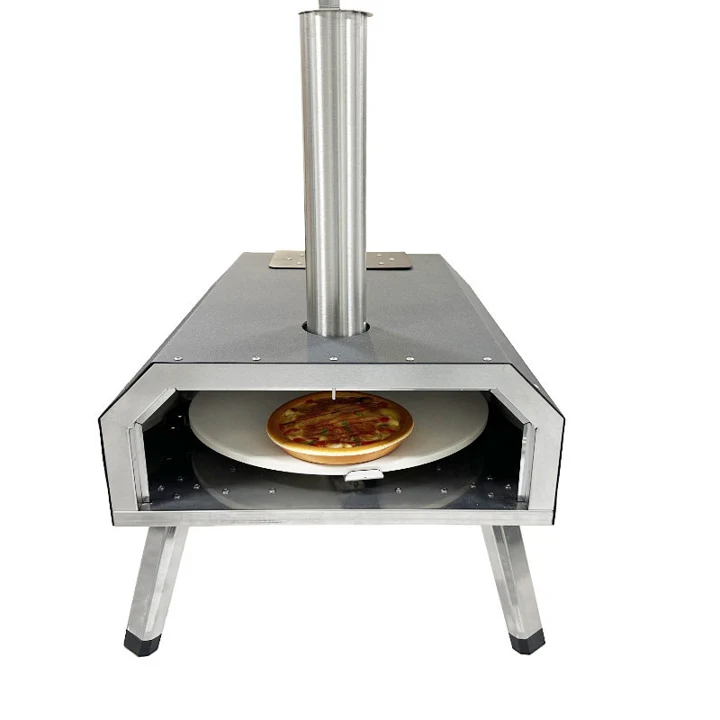
For PT-PG1600, matching fuel components and the manual conversion arrangement must be confirmed for the project. The oven must be off and completely cool before conversion. Do not describe the options as switching fuels during cooking or as an automatic multi-fuel control.
What should you ask for each fuel preference?
Swipe or scroll sideways to see all columns.
| Fuel preference | Information for the quotation | Items to confirm before approval |
|---|---|---|
| Gas | Gas type, target country, supply pressure and selected burner alternative | Matching inlet and control arrangement, supplied components and instructions |
| Wood | Selected model and intended wood-fuel configuration | Fuel components, loading arrangement and applicable instructions |
| Wood pellets | Selected model and intended pellet-fuel configuration | Matching fuel components and whether the ordered configuration matches your planned use |
| Charcoal | Selected model and intended charcoal configuration | Matching components, included contents and applicable instructions |
The table is a brief-preparation tool. It does not establish fuel consumption, heat-up time, cooking throughput or the safety of an unapproved conversion. Discuss unresolved technical questions with the responsible engineering party.
What does the gas-burner choice change in the order?
The documented PT-PG1600 choices are a stainless steel burner or a ceramic infrared burner. They are alternatives for the project, not an assumed pair included in every shipment. Record the chosen alternative and associated configuration explicitly.
State the intended country and gas conditions rather than writing “international gas version.” If you plan different versions for different markets, ask for a separate configuration record for each. Changes to gas setup or controls require engineering review; this guide does not provide injector sizing or modification instructions.
Do not choose the alternative only because one promotional image suggests a stronger result. Ask what needs to be checked for your product and how the agreed sample will be evaluated.
How should you compare competing quotations?
First compare like-for-like contents. Record the base oven, fuel components, rotation version, tools, hose where applicable, bags, manuals and retail package. Mark optional items clearly.
Next compare what has actually been confirmed. A price with a named fuel version and packing list is not equivalent to a price against an unspecified photograph. Ask whether the drawing, sample and instructions match the quoted version.
Finally identify unresolved requirements, including testing and target-market documentation. Do not treat a general statement that an oven supports a fuel as evidence that your selected configuration has completed all checks required for your market.
Which fuel claims should your brand avoid?
- “All fuels included” when only alternative project configurations were discussed.
- “Switch fuels while cooking” for a manual, off-and-cool conversion arrangement.
- “Works in every country” without reviewing the actual configuration.
- A fuel-saving percentage, preheat time or cooking result without relevant test evidence.
- Applying PT-PG1600 options to a different portable or patio model.
Your product listing should match what the buyer receives and the approved instructions, not the broadest possible reading of a series brochure.
What should be in the final project brief?
Include your preferred oven format, fuel version, target countries, estimated first order and retail contents. If undecided between fuels, present them as alternatives for review rather than one combined package.
Use Your Brand, Our Designs (ODM) to discuss an existing model, or OEM / Custom Engineering when your required structure or interfaces differ. Then use the project checklist and format comparison to connect fuel choice with sampling, packing and your sales channel.